Something Bigger than You or Me

The author reflects on a lesson learned during their early career at American Airlines, emphasizing the paramount importance of passenger safety over profits. They contrast this with experiences in the finance sector, highlighting a lack of integrity. The piece ultimately warns that the safety concerns surrounding Artificial Intelligence could pose an existential risk to humanity.

Artificial Intelligence has made a lesson I learned in 1977 relevant to every one of us.

In May of 1977, I began working for American Airlines as a computer programmer in the Operations Research Department. My first day was spent in Human Resources learning about policies, procedures, and benefits.

At the end of the day, when I met with the head of HR for the entire firm, I had one thing on my mind: the unlimited free systemwide travel privileges that came with the job.

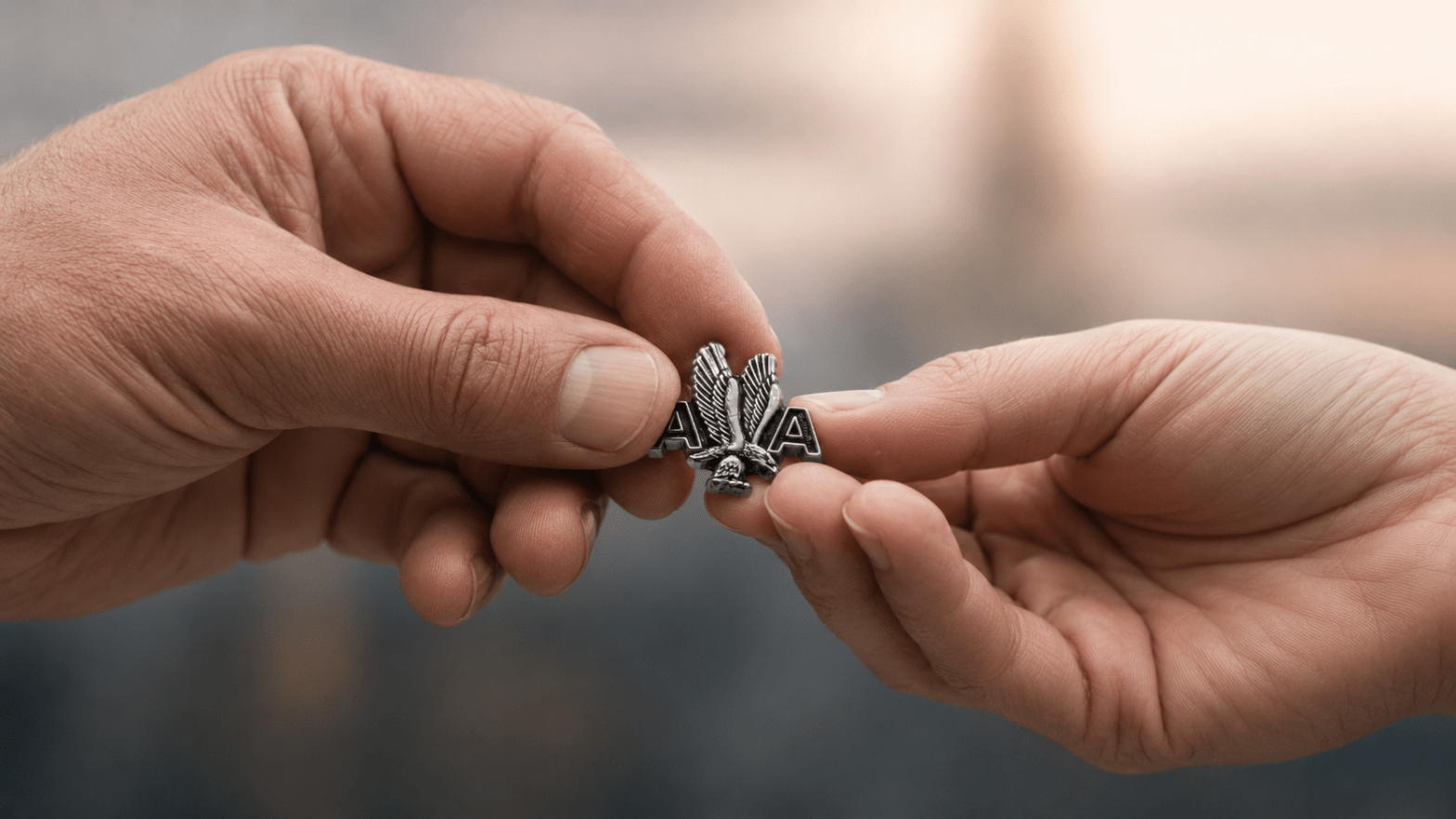
“I want to welcome you aboard and give you this American Airlines lapel pin to wear with pride while on duty,” he began.

He handed me the pin. I tried to take it, but he would not let go.

“It is important that we both touch the pin while you listen to what I am about to say,” he continued.

“You need to know that there is one thing more important than profits. In fact, it is more important than everything else. It is more important than you, and it is more important than me.

Continue reading “Something Bigger than You or Me”

The Influencer Army

Influencers might be nice guys, but are they leaders?

Back before COVID, I was on my way to meet a friend at a hotel in New York City. I came up from the subway on 57th Street and got disoriented, so I simply announced in a loud voice:

“Can anyone point me toward the such-and-such hotel?” A a passerby replied cheerfully.

“I’m going there myself. I’ll walk you over,” He asked, in a friendly Irish accent. “Are you staying at the hotel?”

“No,” I said, “just meeting a friend in the lobby. And you?”

“I’m getting a lifetime achievement award in the ballroom tonight. Heading to rehearsals.”

“That’s nice,” I said. “Do you feel like you’ve actually achieved anything in your lifetime?”

He laughed.

“I’d like to think so.”

We made pleasant chit-chat as we walked, and parted in the lobby.

That evening, I told the story to my son.

“You know,” I said, “I logged over 25,000 miles hitchhiking in my youth. And wherever I went, there was always someone who knew the lay of the land. You don’t need your smartphone—it just keeps you from seeing the people around you.”

Naturally, he pulled out his smartphone.

“Did he look like this?” he asked as he showed me a photo on his phone.

“That’s him.”

“That’s Bono,” he said. “He’s getting a lifetime achievement award tonight, as we speak. Aren’t you ashamed? You managed to insult Bono.”

I am absolutely not ashamed. He didn’t seem insulted either. And I hope Bono won’t be insulted by what I’m about to say next.


How to Tell if It’s a Disaster or a Cause

I once told my “How I Met Bono” story to a Bulgarian friend who grew up under the Soviets. He laughed and said they had an expression:

“It’s not a disaster until Bono shows up.”

Until then, they just dealt with their own problems.

I laughed too. As a kid, it felt like it wasn’t a cause until a folk singer wrote a song about it. People went to the concerts, got their kumbaya fix, then went home feeling better about themselves.

Continue reading “The Influencer Army”